
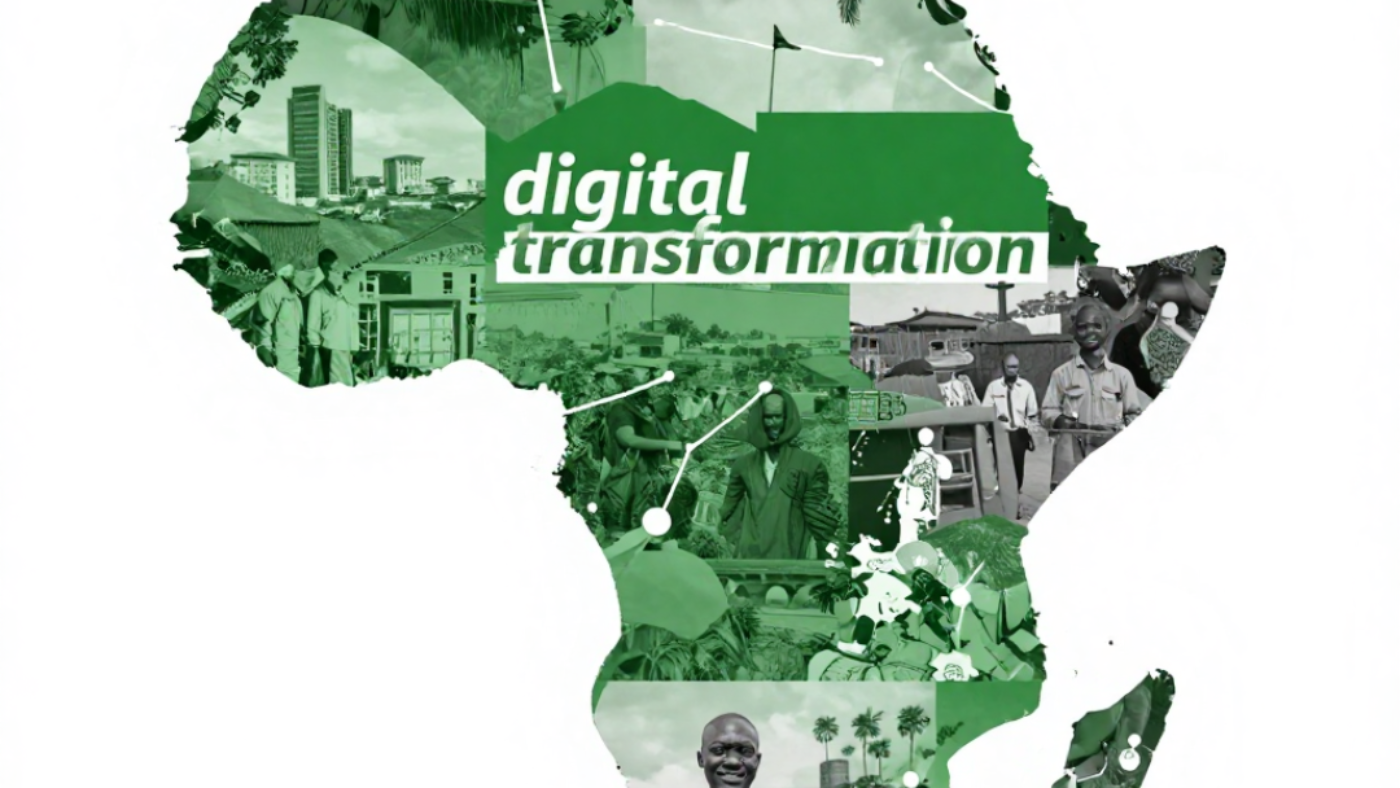

When organisations talk about digital transformation, the conversation often centres on systems, platforms, automation, cloud migration, or data. But customers rarely think about transformation in those terms.
For customers, digital transformation is not a technology project.
It is an experience shift.
It is the difference between friction and flow. Between waiting and moving. Between “I hope this works” and “this just works.”
To truly understand digital transformation, we must step away from dashboards and boardrooms and step into the everyday life of the customer.
Digital Transformation Begins With a Feeling
Customers don’t wake up excited about digital platforms. They wake up wanting life to be easier.From a customer’s perspective, digital transformation means:
Less waiting
Less paperwork
Less uncertainty
Less repetition
Less friction
And more importantly:
- More control
- More speed
- More clarity
- More confidence
When customers say a company is “digital,” what they really mean is:
“This company respects my time.”
The Customer Definition of “Convenience”
Businesses often define convenience as offering online channels.
Customers define convenience as not having to think about the process at all.True digital transformation shows up in moments like:
- Opening an account without visiting a branch
- Paying instantly without searching for cash
- Getting support without repeating the same information
- Receiving updates before asking for them
From the customer’s lens, convenience is not a feature.It is the absence of effort.
From Transactions to Experiences
Historically, organisations focused on completing transactions:
- Process the payment
- Approve the request
- Issue the product
But customers don’t experience life in transactions.They experience journeys.
Digital transformation, from the customer’s viewpoint, means:
- Every step feels connected
- Every interaction remembers them
- Every channel feels like the same organisation
Customers don’t care about departments or internal systems.They see one brand. One journey. One expectation.
Speed Is the New Trust
Trust used to be built through physical presence.Today, trust is built through reliability and speed.
Customers ask questions like:
- Does it work when I need it?
- Can I rely on it anytime?
- Does it save me time consistently?
A slow process signals uncertainty.A seamless process signals competence.
Digital transformation therefore becomes a trust strategy, not just a technology strategy.
The Shift From Access to Empowerment
In the past, customers depended on institutions for access:
- Access to services
- Access to information
- Access to financial tools
Today, customers expect empowerment:
- Self-service options
- Real-time visibility
- Instant decision-making
- Personalised experiences
Digital transformation, from their perspective, is about moving from:
“Please help me do this”
to
“I can do this myself.”
Personalisation Is the New Standard
Customers no longer compare organisations within industries.They compare every experience with the best experience they’ve ever had.
If one app is intuitive, they expect all apps to be intuitive.If one service is instant, they expect all services to be instant.
This creates a new baseline:Customers expect services to understand them.
Digital transformation therefore means:
- Anticipating needs
- Offering relevant solutions
- Removing unnecessary steps
It is no longer about digitising processes.It is about humanising technology.
The Invisible Goal of Digital Transformation
Ironically, the most successful digital experiences feel invisible.
Customers don’t say:
“Wow, that was a great digital transformation.”
They say:
“That was easy.”
“That was quick.”
“That just worked.”
When technology fades into the background and life moves forward effortlessly, transformation has succeeded.
What This Means for Organisations
Viewing digital transformation through the customer lens changes the priorities:
From:
- Systems → Experiences
- Features → Outcomes
- Processes → Journeys
- Technology → Value
It shifts the key question from:
“What technology should we implement?”
To:
“What friction should we remove?”
Conclusion: Transformation Is Measured in Moments
Digital transformation is not measured by the number of platforms launched or processes automated.
It is measured in everyday moments:
- The queue avoided
- The delay eliminated
- The confusion prevented
- The time returned to the customer
Ultimately, digital transformation is successful when customers stop noticing the effort behind the service and simply experience progress in their lives.
Because from the customer’s perspective, digital transformation is not about becoming digital.It is about becoming effortless.
Add a Comment